In Thailand, new rules for the deportation of foreigners came into force on August 28
Views: 16
Published: 28/08/2026 · Occurred: 28/08/2026
In Thailand, on August 27, the administrative regulations governing the procedure for the deportation of foreign nationals were published in the Royal Gazette; the document entered into force on August 28. According to Nation Thailand, the regulation was signed by the Minister of Public Health, Anutin Charnarungsri.
The new procedure for the first time details the stages and grounds for expulsion, as well as the timing of the consideration of cases and the interaction between state authorities. The key provisions noted in the published materials and discussed in the local and international press include a list of the grounds on which a foreigner may be subject to deportation: illegal entry or stay in the country, work without the appropriate permit, conducting illegal business activities or schemes with nominee directors, forgery of official documents and some other serious violations.
The document is aimed at standardizing administrative procedures and, according to the authors of the regulation, at speeding up decision-making in cases of foreigners who have violated migration legislation. The publications also note the practical side of the application of the new rules.
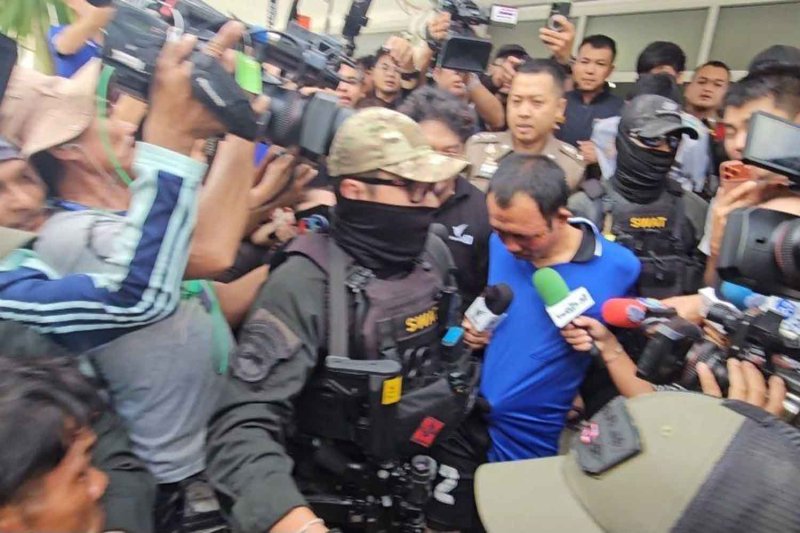
Thus, the existing cases of detention of foreign artists and other persons working in Thailand without permission come to the attention of the new norms. Russian and international media cite as an example the recent detentions of members of the group "Bi-2", who were charged in Thailand with holding a concert without a work permit – this episode illustrates how cases of working without the appropriate documents can now quickly move to the stage of administrative deportation in accordance with the updated regulations (see Forbes.ru, esp.md).
In addition, international organizations and human rights activists have expressed concern about some expulsion practices in the past, including cases of deportation of ethnic Uyghurs to China after a long stay in Thai detention centers, which has attracted the attention of the media and human rights structures (VOA). These high-profile precedents underscore that changes to the regulations will be closely monitored both domestically and by the international community, especially in the areas related to the guarantees of the rights of detainees and procedural deadlines.
In particular, BES.media (Pattaya People) published clarifications on the expected changes and possible consequences for tourists, foreigners working in Thailand, and event organizers. Among the practical consequences are an increase in the responsibility of organizers of concerts and other public events for obtaining permits for invited foreign artists; for individuals, a stricter reaction to cases of work without the necessary visa or patent; for tourists, the risk of administrative sanctions and deportation in case of violation of migration rules.
Sources
report.in.th services for this topic
When the story touches exchange, housing, visas, or travel — official project pages below (not random chat ads or risky P2P).
- VisaThai — visas and relocation
Long-term visas, ED, business, LTR.
visa.report.in.th
- VPN for Russia
Access Russian services from abroad.
vpn.report.in.th